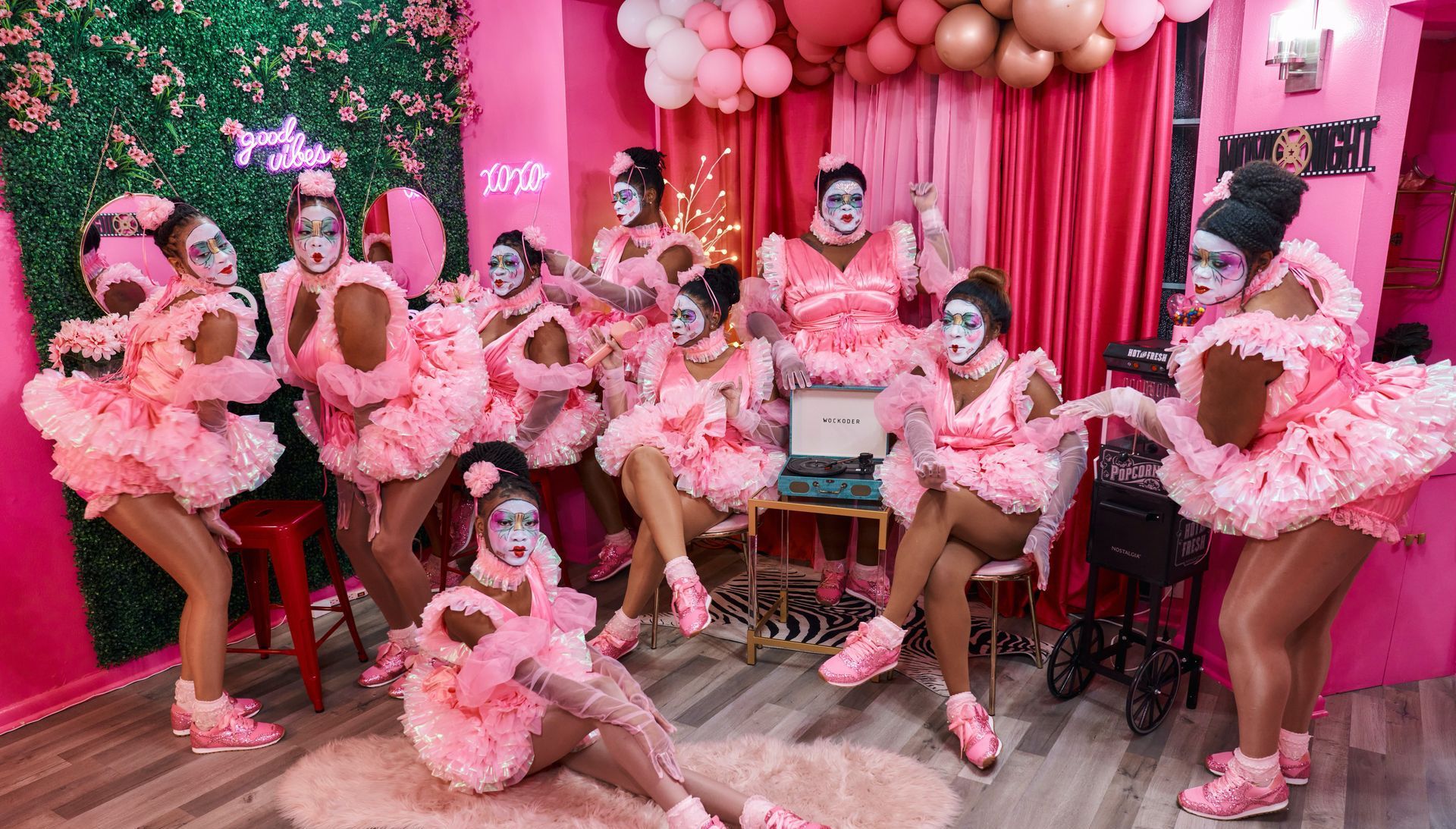
In the vibrant tapestry of New Orleans culture, the Baby Doll Ladies stand out as a symbol of resilience, heritage, and celebration. These colorful figures, embodying a long-standing tradition, have become an integral part of the cultural and social landscape of the city. Originating in the early 20th century, Baby Doll Ladies emerged as a response to societal constraints, allowing women to assert their identity through elaborate costumes and spirited performances. Today, they continue to enchant audiences, reflecting the dynamic cultural fusion that defines New Orleans. This article delves into the allure of Baby Doll Ladies, exploring their historical roots, cultural significance, and continuing influence.
The Historical Roots of Baby Doll Ladies
The Baby Doll tradition began as an expression of defiance and creativity among African American women during Mardi Gras in the early 1900s. Faced with social restrictions, these women donned baby doll costumes, complete with bonnets and frilly dresses, to march and dance in the streets. This was not merely a spectacle but a powerful statement of autonomy and cultural expression.
Key Historical Insights
- Originated in the 1910s as a unique African American tradition.
- Women used costumes to transcend societal limitations.
- Became a platform for social commentary and artistic expression.
To delve deeper into the historical context and evolution of this tradition, find out more about this approach.
Cultural Significance and Impact
The Baby Doll Ladies are more than just a cultural novelty; they symbolize empowerment and community spirit. Their performances are a celebration of African American heritage and a testament to the enduring spirit of the women who pioneered this movement.
Cultural Contributions
- Promote cultural identity and heritage.
- Encourage community engagement and participation.
- Serve as a bridge between generations, preserving traditions.
For those interested in understanding the cultural dynamics and the role of the Baby Doll Ladies in community building, learn about our tailored solutions.
The Modern Revival and Influence
In recent years, the Baby Doll tradition has experienced a revival, with groups like the New Orleans Society of Dance bringing renewed attention and relevance to this cultural phenomenon. This modern resurgence has expanded the scope of the tradition, incorporating contemporary elements while staying true to its roots.
Contemporary Developments
- Integration of modern music and dance styles.
- Increased participation across diverse communities.
- Recognition at cultural festivals and events nationwide.
To explore advanced guides and tips on how the tradition is being adapted today, explore advanced guides and tips.
Conclusion
The allure of the Baby Doll Ladies lies in their rich history and cultural significance, which continue to captivate audiences in New Orleans and beyond. They are a testament to the power of tradition, creativity, and resilience. As they evolve, they maintain their role as cultural ambassadors, bridging past and present in a city renowned for its vibrant cultural heritage. For a deeper understanding of this enduring tradition and its current manifestations, discover expert strategies here.