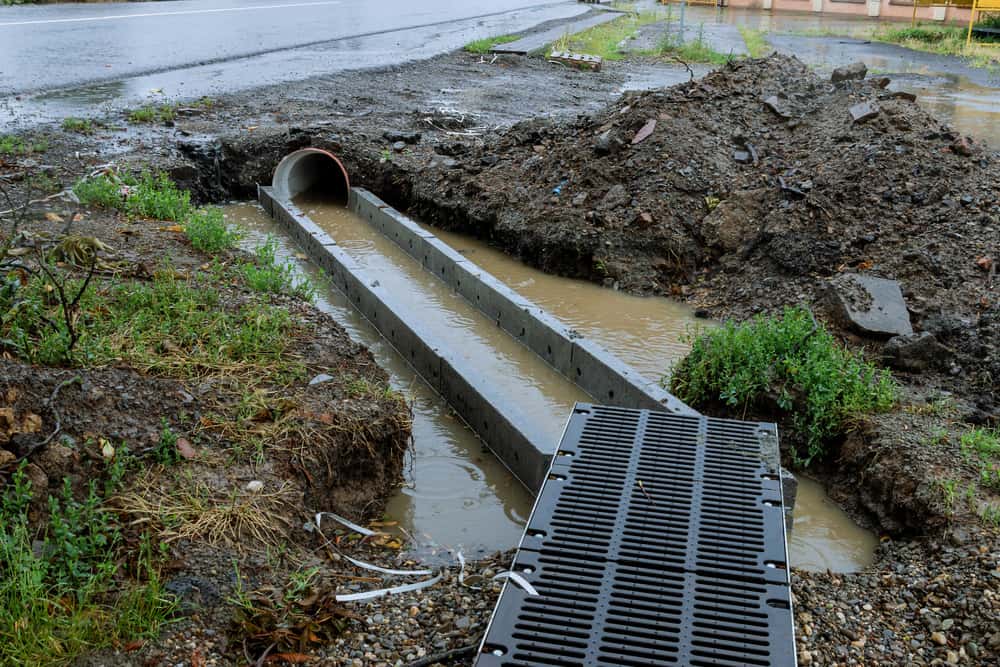
Efficient stormwater management systems are essential for sustainable urban development, ensuring that cities can handle heavy rainfall without succumbing to flooding or water pollution. With climate change driving more frequent and intense weather events, the need to optimize these systems has never been more critical. Innovative approaches to stormwater management can help mitigate the challenges posed by urbanization, protecting both natural resources and infrastructure. This article explores key strategies and technologies that can maximize efficiency in stormwater management systems.
Understanding Stormwater Management Systems
Stormwater management systems are designed to control and direct the flow of rainwater in urban environments. These systems aim to:
- Prevent flooding by efficiently channeling excess water away from populated areas.
- Reduce water pollution by filtering out contaminants before they enter natural waterways.
- Enhance groundwater recharge by allowing water to infiltrate into the ground.
- Maintain the natural hydrological cycle disrupted by urbanization.
For a deeper understanding of how these systems work, explore advanced guides and tips on stormwater management.
Innovative Techniques in Stormwater Management
Green Infrastructure
Green infrastructure refers to the use of natural processes and materials to manage stormwater. It includes practices such as:
- Rain Gardens: These are shallow, vegetated basins that capture and filter runoff.
- Green Roofs: Roofs covered with vegetation that absorb rainwater, reduce runoff, and lower building temperatures.
- Permeable Pavements: Surfaces that allow water to pass through, reducing runoff and promoting groundwater recharge.
- Bioswales: Landscaped channels that slow and filter stormwater.
Green infrastructure not only enhances the efficiency of stormwater systems but also beautifies urban landscapes and improves air quality. Learn about our tailored solutions for integrating green infrastructure into urban planning.
Smart Technology
Advancements in technology have introduced smart systems capable of revolutionizing stormwater management:
- Real-Time Monitoring: Sensors and IoT devices provide data on water levels and flow rates, enabling proactive management.
- Automated Control Systems: These systems adjust valves and gates automatically to optimize water distribution and storage.
- Predictive Analytics: Using historical data and weather forecasts, these tools predict stormwater behavior and inform decision-making.
For those interested in the technological aspect, discover expert strategies here to incorporate smart solutions into existing infrastructure.
Challenges and Solutions
Maximizing efficiency in stormwater management systems involves addressing several challenges:
- Infrastructure Aging: Many cities have outdated systems that require modernization to cope with current demands.
- Funding Constraints: Implementing new technologies and infrastructures can be costly, necessitating strategic planning and investment.
- Public Awareness: Community involvement and education are crucial for the successful implementation of new systems.
Innovative solutions and strategic planning can overcome these challenges. Find out more about this approach to enhance stormwater systems.
Conclusion
Efficient stormwater management is a cornerstone of sustainable urban development. By embracing green infrastructure and smart technologies, cities can better manage stormwater runoff, protect the environment, and improve quality of life. As the challenges of climate change and urbanization continue to evolve, adopting innovative strategies is critical. To stay ahead in stormwater management, explore advanced guides and tips that provide insights into the latest developments and best practices.