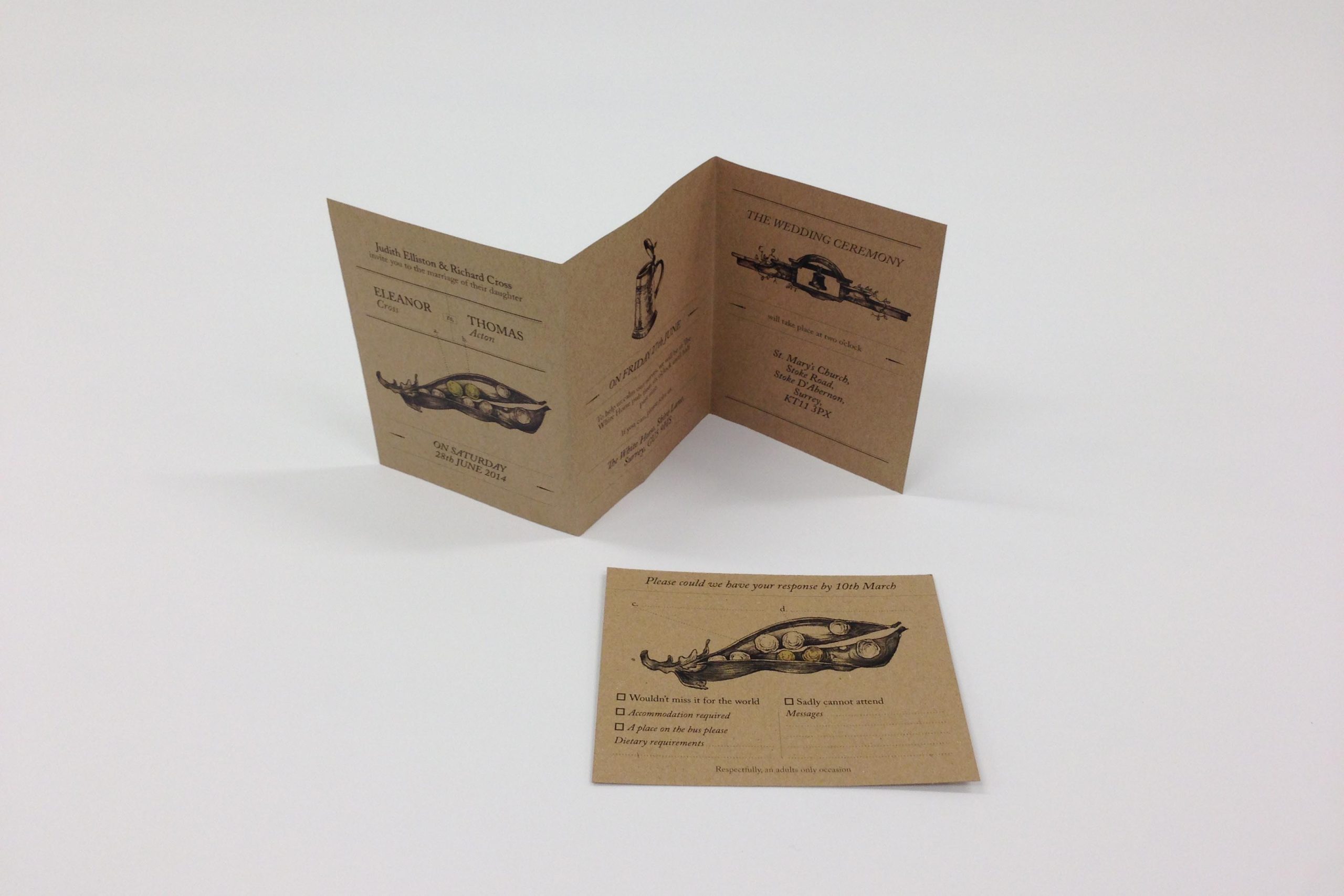
In the contemporary business landscape, the ability to transform creative ideas into tangible realities is paramount. Custom print design stands out as a powerful tool in this process, offering limitless possibilities to visually convey concepts, brands, and messages. Whether it?s branding materials, marketing collateral, or unique artistic expressions, the nuanced art of custom print design holds the key to making a lasting impression. This article delves into the nuances of custom print design and explores how it can help actualize innovative ideas.
The Essence of Custom Print Design
Custom print design is more than just putting ink on paper; it?s an art form that combines creativity, technology, and strategy. It involves crafting visual content that communicates a specific message tailored to the audience?s needs. This approach ensures that each design piece is unique and impactful.
- Personalization: Tailor each design to reflect the unique identity of a business or individual.
- Versatility: Applicable across various mediums, from business cards to large-scale banners.
- Impact: Creates memorable experiences that resonate with audiences.
For those interested in deepening their understanding of custom print design, explore further insights here.
Key Components of Effective Print Design
Understanding the Audience
Effective print design begins with a thorough understanding of the target audience. This involves demographic research, psychographic analysis, and an understanding of the audience?s values and preferences. By tailoring the design to align with these factors, the impact of the printed material can be significantly enhanced.
For a comprehensive guide on understanding audiences, read more about this topic.
Choosing the Right Medium
The choice of medium is crucial in custom print design. Different mediums offer distinct advantages and challenges. Here?s a quick guide:
- Paper Stock: Consider weight, texture, and finish to enhance the tactile experience.
- Size and Format: Choose dimensions that suit the purpose, whether compact flyers or large posters.
- Printing Techniques: Options like digital printing, offset printing, and screen printing can dramatically alter the final look.
To understand more about these mediums, learn more in this detailed guide.
Design Elements
Several design elements must be harmoniously integrated to create a compelling print design:
- Color Schemes: Colors should align with the brand identity and evoke the desired emotional response.
- Typography: Fonts convey the tone and readability of the message.
- Imagery and Graphics: High-quality images and graphics enhance visual appeal.
Find additional information on design elements here.
The Role of Technology in Print Design
Advancements in technology have revolutionized the field of custom print design. Modern software tools and printing technology enable designers to push creative boundaries further than ever before.
- Design Software: Programs like Adobe Creative Suite offer powerful tools for creating intricate designs.
- 3D Printing: Allows for the creation of complex, layered designs that were previously impossible.
- Augmented Reality: Integrating digital elements into print materials for an interactive experience.
For more on how technology enhances print design, explore further insights here.
Conclusion
Custom print design is a dynamic and multifaceted field that offers endless opportunities for creativity and expression. By understanding the audience, choosing the right mediums and materials, and leveraging modern technology, individuals and businesses can transform their ideas into realities that resonate and leave a lasting impact. The journey from concept to creation is enriched by the nuances of print design, making it an invaluable asset in the modern marketing toolkit.