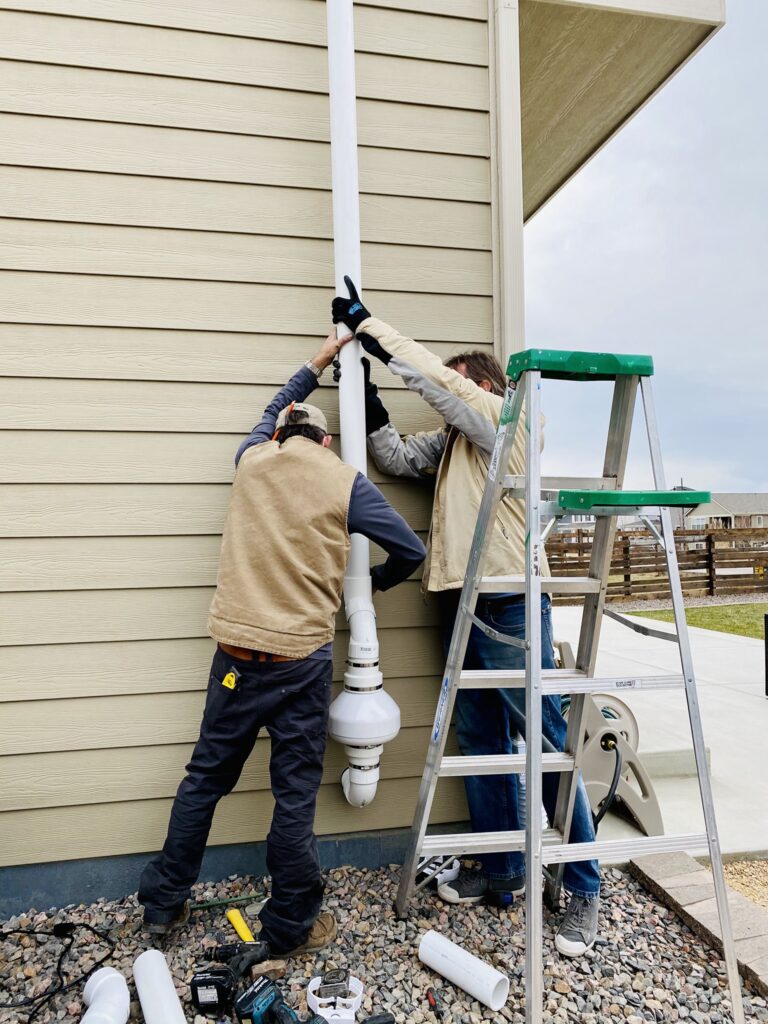
In the Mile-High City of Denver, the issue of radon gas exposure is a significant concern for residents and homeowners. Known as the “silent killer,” radon is a colorless, odorless radioactive gas that can seep into homes and buildings through cracks in the foundation. Long-term exposure to radon is the second leading cause of lung cancer in the United States, making radon mitigation an essential consideration for public health and safety. Understanding the importance of radon mitigation, particularly in areas with elevated radon levels like Denver, is crucial for safeguarding health and well-being.
Understanding Radon and Its Risks
Radon is a naturally occurring gas that originates from the breakdown of uranium in soil, rock, and water. It can infiltrate homes through various pathways, posing significant health risks, particularly in areas with high radon concentrations.
Health Implications of Radon Exposure
- Radon is linked to lung cancer, with prolonged exposure increasing the risk significantly.
- The Environmental Protection Agency (EPA) estimates that radon is responsible for approximately 21,000 lung cancer deaths annually in the United States.
- Non-smokers exposed to radon have a lower, yet still significant risk of developing lung cancer.
For those living in Denver, where radon levels are notably higher due to the geological composition, understanding and addressing these risks becomes even more critical. Discover expert strategies here to effectively manage these risks and ensure safe living environments.
Why Radon Mitigation is Essential in Denver
Denver’s unique geography and elevation contribute to higher radon levels in homes and buildings, necessitating effective mitigation strategies.
Factors Contributing to Elevated Radon Levels
- Soil Composition: The local soil and rock contain uranium, which decays into radon gas.
- Climate: Denver’s climate can affect how homes are ventilated, trapping radon indoors.
- Building Practices: Older homes may have more entry points for radon due to cracks and structural vulnerabilities.
Given these factors, implementing radon mitigation systems is crucial. Learn about our tailored solutions designed to combat these specific challenges effectively.
Effective Strategies for Radon Mitigation
Radon mitigation involves reducing radon levels in indoor environments through a variety of techniques.
Common Mitigation Techniques
- Sub-slab Depressurization: This technique involves creating a vacuum beneath the building’s foundation to redirect radon gas away from the home.
- Sealing of Entry Points: Cracks and openings in the foundation are sealed to prevent radon infiltration.
- Ventilation Improvements: Enhancing ventilation in crawl spaces and basements to dilute radon concentrations.
For those seeking guidance on implementation, explore advanced guides and tips to ensure comprehensive and effective radon mitigation.
Regular Testing and Maintenance
Maintaining low radon levels requires regular testing and maintenance of mitigation systems. The EPA recommends testing homes for radon every two years, or more frequently if significant changes are made to the building structure.
Benefits of Regular Testing
- Early Detection: Identifies elevated radon levels before they become a significant health risk.
- System Optimization: Ensures that mitigation systems are functioning efficiently and effectively.
- Peace of Mind: Provides assurance that the home is safe from radon-related health risks.
To stay informed about the best practices for testing and maintenance, find out more about this approach and protect your home and family from the dangers of radon exposure.
In conclusion, the importance of radon mitigation in Denver cannot be overstated. With the city’s elevated radon levels, implementing effective mitigation strategies and maintaining vigilance through regular testing is essential for ensuring the health and safety of residents. By staying informed and proactive, Denver homeowners can protect their families from the silent threat of radon.